
By: Kriss Barlow, RN, MBA | kbarlow@barlowmccarthy.com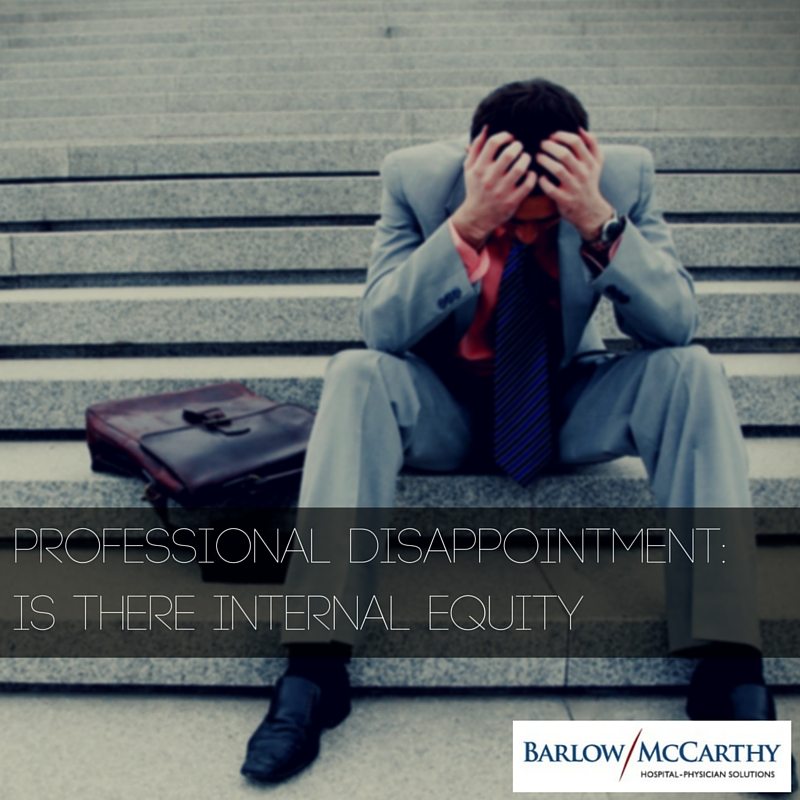
A while back an article prompted me to ask my adult boys, “Any statement from me that is memorable?” They came back quickly and one son said, “Life is not fair.” Growing up he wanted things to be equitable, for the best person to get the prize. Sometimes life did not work that way… it still does not. I was reminded of this when Kevin O’Leary, from Shark Tank, presented at the SHSMD Annual Conference. Number eight on his list of Ten Secrets to Being a Leader was that life is not fair.
If you would have asked me at 18, I’m sure I would have said that as a person gets older this reality becomes more palatable. Now, I don’t believe that. My perception is that the sting of unfairness doesn’t really get easier through life’s journey. A case in point, I can think of a dozen or more colleagues who have dedicated their careers to an organization in hopes of earning the next promotion or moving into a more senior role with another organization. Sometimes it works out, and sometimes it does not.
When the Desired Job Does Not Happen
Sometimes quality people get overlooked. We have all been there, or known someone who was the victim of a pass over, demotion or downsizing. Is it the ultimate work-based, life-is-not-fair sting? If not, it’s right up there. I have no good solutions, but I wanted to share some thoughts to put the issue out there.
- Politics play a role. Sometimes there is no logic to the process. As a group of experts we work hard to add logic and process to decision making. We need to recognize that sometimes it’s not a talent decision.
- The “grass is greener” perception. The misguided belief that better talent will come from “outside” is alive and well. We know great talents who have come from outside roles; however they are not great just because of the career path. It begs the question, “Can we do anything to influence this bias?” Is their research that backs this up on either side?
- No one else owns our brains and our talent. You decide if it is a good time to reroute your career, find a new role or change systems. Make a move because you want the new job, not to “stick it to them.” With a personal loss, the experts always say to take your time, but as I think about people in this situation, I sure don’t think there are hard and fast rules on timing a big move after a disappointment.
- The pain from this is personal. The decision-maker in the process likely saw it as a business decision but it’s just not that easy to compartmentalize the personal angst. We all try to justify or manage the personal pain, but ultimately time helps. In the meantime, permission to do more of the things you enjoy might be a better option than revenge or trying to push harder to “show them.” What are your thoughts on that?
- We need to support our peers. Our friends and colleagues in the industry are really important. We network with them and share ideas, but we also need to validate their expertise. This should happen regularly but it really needs to happen when they are hurting.
We all know of work-life injustices that have happened. At a personal level, it is a good reminder that life goes on in spite of the job. It’s a heavy topic for sure. Share your perspectives.